
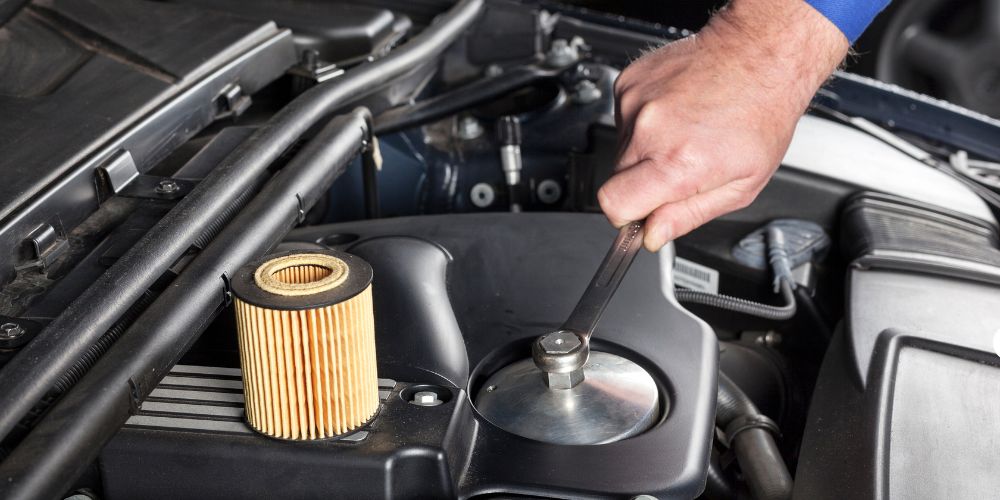
Off-roading subjects vehicles to some of the harshest driving conditions imaginable, dust-choked trails, water crossings, prolonged idling, steep inclines, and heat-generating loads. These environmental and mechanical stresses don’t just test your suspension or tyres; they directly impact your engine’s lubrication system. At the heart of that system is your oil filter, and in off-road conditions, your choice of oil filter becomes far more critical than during standard on-road driving.
Higher Engine Loads Demand High-Performance Filters
Off-roading often involves prolonged low-gear driving, steep hill climbs, towing, or crawling over rocks; activities that elevate engine load and operating temperatures. This heat thickens the oil and increases pressure across the lubrication system. Under such conditions, a conventional filter may struggle to maintain flow or could even enter bypass mode, allowing unfiltered oil into the engine.
Filters made for harsh use incorporate reinforced canisters, high-temperature seals, and precisely calibrated bypass valves to maintain integrity under heat and pressure. The need for these features varies between engines, making it important to understand how off-roading affects different vehicles. For instance, among the popular Ryco oil filter options for different vehicle types, certain models are specifically built to handle higher oil pressures and debris loads, which is typical of off-road driving. The right filter can either shield your engine from harsh conditions or leave it vulnerable if not properly matched to the demands of rugged terrain.
Contaminants Reduce Engine Efficiency and Performance
Research shows that abrasive contaminants like dust, water, and fuel in engine oil can trigger a chain reaction of wear, leading to accelerated component damage and oil degradation. Off-road driving increases the likelihood of this significantly. Whether you’re tackling unsealed bush roads or navigating dusty tracks, your engine is constantly exposed to harmful contaminants such as sand, soot, water, and metallic particles.
A standard oil filter may not have the filtration efficiency or dirt-holding capacity to capture such a high volume of contaminants without clogging prematurely. Filters suited to off-road use are designed with multi-layer synthetic media and enhanced sealing systems to maintain performance even in dusty, debris-heavy environments. Choosing a filter that can handle elevated levels of contamination is essential for protecting engine health in these conditions.
Rough Terrain Requires Stronger Filter Construction
Off-road trails often feature corrugations, potholes, and uneven surfaces that induce constant vibrations and shocks. This doesn’t just affect ride comfort; it tests the structural integrity of every component under the bonnet, including your oil filter. A filter not built for this environment may suffer casing fatigue, gasket failure, or loosening under stress, all of which can lead to oil leakage or filter detachment.
Filters engineered for off-road use typically feature thicker walls, metal end caps, and vibration-resistant mounting points to cope with the pounding they endure. For example, the Ryco Oil Filter Z115 offers a heavy-duty build and pressure-resistant internals, making it a smart choice for vehicles frequently used in aggressive driving environments.
Water Crossings Increase the Risk of Corrosion
Crossing creeks, puddles, and flood-affected tracks is part of the adventure for many off-roaders. However, moisture can pose a serious risk to your oil system if water enters through the breather or gets trapped around the filter mount. Over time, this can contribute to internal corrosion, especially in filters not designed with protective coatings or corrosion-resistant materials.
Off-road filters often include anti-corrosive coatings and water-resistant gaskets to resist moisture damage. A suitable example is the Ryco Oil Filter Z9, which has earned a reputation for long-term reliability even in vehicles that regularly face wet or humid off-road conditions.
Choosing the Right Oil Filter Starts with the Terrain
Off-roading demands much more from your vehicle than just grip and clearance; it pushes your engine’s filtration system to its limits. Dust, heat, vibration, and water all alter the performance expectations placed on your oil filter. Making an informed choice means selecting a filter built for rugged durability, high-efficiency filtration, and resistance to extreme environments. Whether you’re planning short weekend trails or long-haul overland journeys, your oil filter choice should reflect the reality of off-road conditions not just factory specs.
