
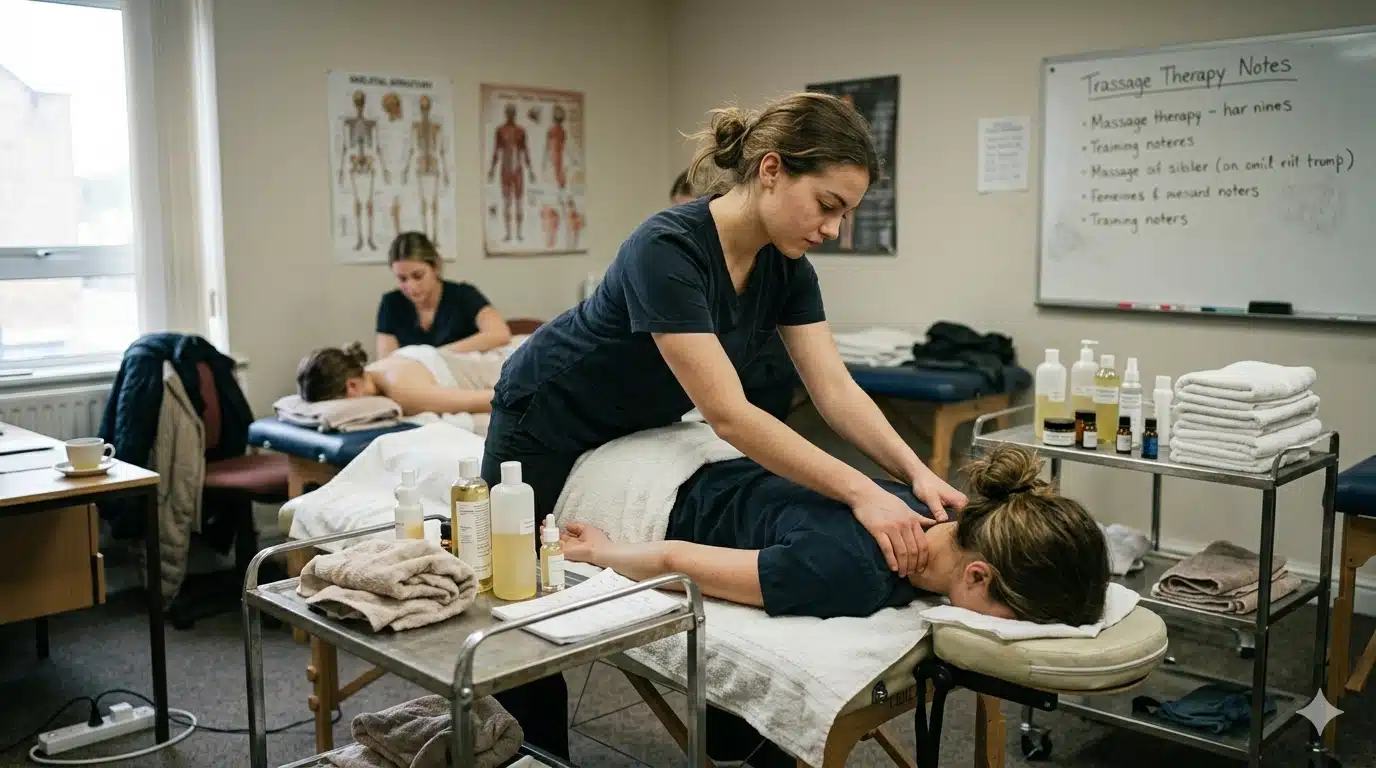
Interest in alternative health care continues to grow across Australia. For some, it begins with curiosity. For others, it’s part of an ongoing effort to better understand their health and explore a wider range of options.
With so much information available, it can be difficult to know where to begin. A structured approach can make the process clearer, helping you move forward with confidence while keeping your decisions grounded in reliable information.
This guide outlines how to explore alternative health care step by step, so you can make informed choices that suit your needs.
Understanding What Alternative Health Care Includes
Alternative health care is a broad category that covers a variety of approaches outside standard medical treatment. These approaches may relate to lifestyle, physical wellbeing, or different frameworks for understanding health.
Some people engage with alternative health care on its own, while others include it alongside their existing care. The way it is used can vary depending on individual preferences, goals, and circumstances.
If you’re looking for a clear overview of how these approaches are defined in Australia, Healthdirect provides a helpful starting point.
Step 1: Define Your Purpose
Before exploring specific options, it helps to be clear on what you’re hoping to achieve.
You might be looking to:
- Better understand a health concern
- Support general wellbeing
- Explore different approaches to managing symptoms
- Build more awareness of your daily health habits
Defining your purpose creates a foundation for the decisions that follow. It also helps you stay focused as you navigate different sources of information.
Step 2: Learn the Landscape
Alternative health care includes a wide range of practitioners and approaches. Taking time to understand this landscape can help you make sense of what’s available.
This might involve:
- Reading general overviews from trusted sources
- Understanding how different practitioners are trained
- Learning how various approaches are used in practice
At this stage, the goal is not to make decisions straight away. It’s to build familiarity and context.
Step 3: Evaluate Information Carefully
When researching alternative health care, you’ll come across a mix of perspectives. Some will be educational, others will reflect personal experience, and some may be promotional.
To assess what you’re reading, consider:
- Who is providing the information
- Whether sources or references are included
- How clearly the content explains limitations or risks
- Whether the tone is balanced and informative
Taking a careful approach to information helps you avoid confusion and supports better decision-making.
Step 4: Consider How It Fits With Your Current Care
If you are already working with a GP or other healthcare provider, it’s useful to think about how alternative approaches might sit alongside your existing care.
This could include:
- Sharing what you’re exploring with your provider
- Asking how different approaches may interact
- Ensuring that all aspects of your care are coordinated
Keeping your care connected supports clarity and consistency.
Step 5: Speak With a Qualified Professional
Once you’ve done some initial research, a conversation with a qualified professional can help bring everything together.
This is an opportunity to:
- Ask questions about your specific situation
- Understand what options may be appropriate
- Clarify next steps
Services like easykind offer access to Australian-registered doctors through telehealth consultations. This can be a practical way to discuss your options and gain clarity in a comfortable setting.
Step 6: Take a Measured Approach
Exploring alternative health care does not need to happen all at once. Taking a steady, considered approach allows you to reflect on what works for you over time.
You might choose to:
- Introduce one change at a time
- Keep notes on how you feel
- Review your approach regularly
This process supports informed decision-making and allows your care to evolve gradually.
Step 7: Review and Adjust
Health needs can change, and your approach may change with them. Reviewing your decisions from time to time helps ensure that your care continues to align with your goals.
Ask yourself:
- Is this approach still relevant to my needs?
- Do I feel confident in the decisions I’ve made?
- Are there new questions I want to explore?
Regular reflection keeps your care aligned with your priorities.
Bringing It All Together
Alternative health care offers a wide range of possibilities, and a structured approach can make those possibilities easier to navigate.
By defining your purpose, learning from reliable sources, speaking with qualified professionals, and taking your time, you can explore your options in a way that feels clear and manageable.
There is no single pathway that works for everyone. What matters is building an approach that supports your understanding, fits your circumstances, and evolves with your needs.
