
In today’s world, cricket and other sports have evolved with technology and now include data and sensors. Wearable technology is no longer a concept of the future; it exists on the wrists, chests, and even within the shoes of athletes. From forerunners to smart heart rate vests, training sessions are becoming highly intelligent and customized. Wearable devices are transforming how athletes prepare for games. Want to know how this tech is transforming every training minute into a goldmine of improvement? Let’s dive in and break it all down in this article.
Gear Up to Train Smarter
Fitness trackers now do much more than just count steps. Currently, they track muscle strain, sweat levels, breathing rate, joint stress, and body temperature – all from a single net session. Cricketers have more technology on them than some racing drivers, and for good reason. These pieces of technology enable coaches to detect fatigue prior to it turning into an injury, as well as optimize the training based on the actual physiology of the athlete.
Such technological features are becoming more widespread outside of sports, though. In the realm of digital entertainment, speed, precision, and personalization are essential, which is where the best online casino comes into play. Modern platforms utilize player behavior analytics, adaptive interfaces, and instant transactions, transforming the user experience from merely exhilarating to remarkably intelligent. In essence, these systems are built on the same principles as professional sports: efficient technology.
Tracking Every Move
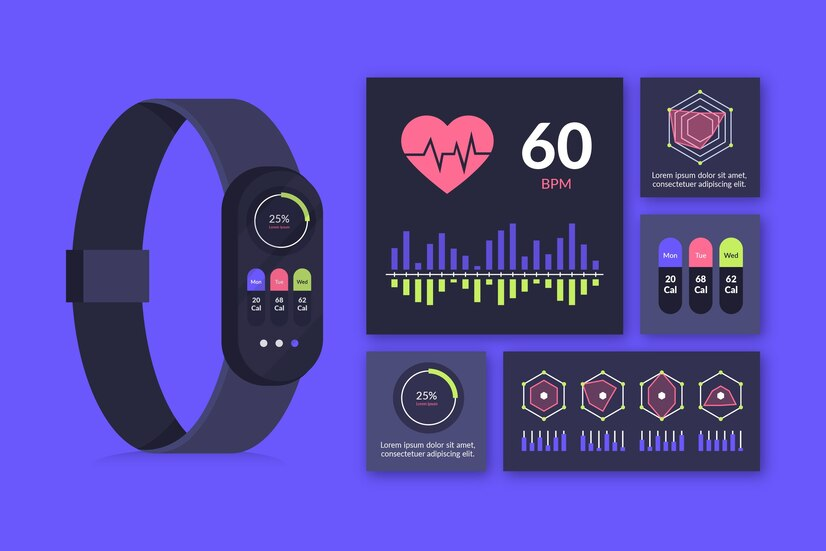
Movement analysis depended entirely on video and assumptions. Today, it is a field of study that harnesses the accuracy of various sensors. Technology such as wearables enables coaches and athletes to examine movement patterns in detail. This is how the technology performs its magic:
- GPS trackers: These aid in measuring the distance sprinters cover, sprint intervals, and rest breaks taken. In turn, this helps evaluate physical workloads and effort levels across designated training blocks.
- Accelerometers: They capture sudden movements like jumping, diving, or quick starts. This equipment helps understand dynamic agility under simulated match pressure scenarios.
- Gyroscopes: These help analyze limb angles and assist batters, bowlers, and fielders in improving their footwork and balance.
- Heart rate monitors: They provide information relating to an athlete’s recovery, level of stress, or conditioning. Additionally, they assist in figuring out where an athlete is pushing themselves too hard or not enough.
Each sensor uncovers an additional layer of the truth. Elimination of guesswork is only possible with easily obtainable, actionable data.
Boosting Speed and Stamina
Athletic conditioning has been enhanced by the use of wearables. For example, bowlers can now tell if their run-up is optimal by measuring whether they are “sprinting” at the requisite speed and if they’re straining physiologically. GPS-based load tracking has shown that a reduction in the frequency of sprints within a training week by as little as 15% can improve performance on match day by 9%. These are not hypotheticals. This is a change grounded in reality.
Now, players train with notifications indicating when their heart rate crosses a certain threshold. These predetermined target zones, customized by VO2 max data, are aimed at helping the players push harder on power days but ease off during recovery days. The outcome? Greater and smarter gains, not just brute effort. In elite cricket academies, the addition of zone-based interval drills with guidance from wearable technology led to a 12% increase in endurance improvement in a single season.
Injury Prevention in Real Time
Injuries are no longer unexpected events. Now, with wearables that track muscle fatigue levels, impact forces, and joint angles, trainers can preemptively stop injuries from occurring. These devices are capable of such stunning precision that an increase in ground contact time and a drop in stride length can signal fatigue building up in a person—and trainers can monitor it.
Take, for instance, a young fast bowler with a chronic ankle problem. A smart insole remediates the asymmetric nature of the strides by notifying the medical staff about imbalanced weight distribution. In one case, this tech prevented what would have resulted in a six-week-long ankle injury due to early detection and timely intervention using custom drills and rehab. This is the essence of real-time insights—with precise monitoring, it proactively shields athletes from potential pain.
Swing Analysis on the Go
The grasping technique is important for both batters and bowlers. Wearables instantly provide this understanding and make it as clear as a bell. Sensors have made their way into gloves, bats, and even armbands, which capture minute movements with great accuracy. Let’s analyze what these devices reveal:
- Tracking bat speed: Quantifies the speed of every swing to assess timing and power zone consistency.
- Rotation sensors for the wrist: Aid spinners and batters in spotting errors in release or follow-through, therefore correcting inefficiencies.
- Elbow angle monitors: These aids are critical for fast bowlers trying to remain legal with their powerful deliveries. The sensors flag straightening with excessive bending.
- Balance pads: Track weight distribution in stance or delivery. This aids batters in achieving an unshakeable posture, resulting in better shot selection.
The training isn’t just physical as it used to be. It is now analytical, reactive, and astonishingly precise.
Data-Driven Drills
Every single exercise drill can be optimized using data. Gone are the days of universal warm-ups and generic strength workouts. If an athlete’s wearables indicate poor lateral movement, their program is adjusted on the fly. Now, coaches customize daily routines based on recovery scores, sleep cycles, and even mental fatigue defined through heart rate variability.
One academy designed hyper-focused agility drills for a sluggish first-step fielder using wearable metrics. That player has improved his 10-meter sprint time by 0.3 seconds, which may not seem like much to many, but is a huge difference for in-game situations. With the help of technology, it becomes easy to alter workouts in a custom way, and that can turn out to be lifesaving when every second counts.
Precision is the New Passion
Like any sport, cricket requires heart, guts, and rhythm, but the advancement of technology in the wearable tech industry has transformed it into a game of figures. It no longer stops at tracking the athletes’ performances; it actively improves their progress. Every mile each player runs, every muscle contraction, and even every droplet of sweat is mapped out and optimized. They are no longer training; they are evolving. It begs the ominous question: If your gear does not have smart technology, are you truly giving your all?
