
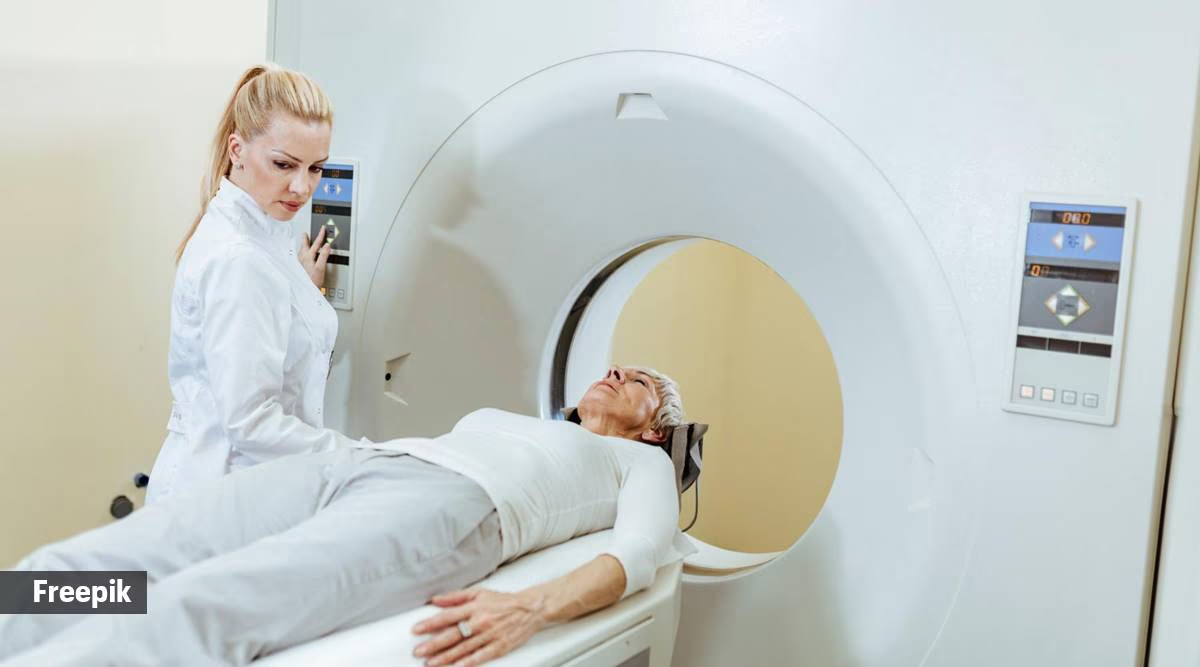
Medical imaging has transformed the way healthcare professionals diagnose and treat various conditions. One of the most advanced and effective imaging techniques available today is nuclear medicine. At PRP Diagnostic Imaging, we specialize in cutting-edge imaging services that provide crucial insights for medical diagnosis and treatment. If you’re wondering what nuclear medicine is, this article will explore how it works and its vital role in modern healthcare.
What Is Nuclear Medicine?
Nuclear medicine is a specialized area of medical imaging that uses small amounts of radioactive materials, known as radiopharmaceuticals, to diagnose and treat diseases. Unlike conventional imaging methods like X-rays or CT scans, which capture structural details, nuclear medicine focuses on the physiological function of organs and tissues. This technique helps detect diseases at an early stage, often before symptoms appear.
How Nuclear Medicine Works
The process of nuclear medicine imaging involves three key steps:
- Administration of Radiopharmaceuticals – A small amount of radioactive material is introduced into the patient’s body, either through injection, inhalation, or oral ingestion.
- Imaging with Gamma Cameras or PET Scanners – These devices detect the radiation emitted from the radiopharmaceuticals as they travel through the body, producing highly detailed images of organ function.
- Interpretation of Results – A nuclear medicine specialist analyzes the images to identify abnormalities, assess disease progression, or evaluate treatment effectiveness.
Common Uses of Nuclear Medicine
Nuclear medicine is widely used for both diagnostic and therapeutic purposes. Here are some of its primary applications:
1. Cardiology (Heart Health)
- Myocardial Perfusion Imaging – Assesses blood flow to the heart, helping diagnose coronary artery disease.
- MUGA Scans – Evaluate heart function and detect conditions such as heart failure.
2. Oncology (Cancer Detection and Treatment)
- PET Scans – Detects cancerous cells and assess tumor growth or response to treatment.
- Radioactive Iodine Therapy – Treats thyroid cancer and hyperthyroidism by targeting cancerous tissues with radiation.
3. Neurology (Brain Disorders)
- Brain SPECT Scans – Diagnose conditions like Alzheimer’s disease, Parkinson’s disease, and epilepsy.
- Dopamine Transporter Scans – Aid in the early detection of neurodegenerative disorders.
4. Endocrinology (Thyroid and Hormonal Health)
- Thyroid Scans – Evaluate thyroid gland function and detect nodules or disorders.
- Parathyroid Scans – Identify overactive parathyroid glands causing calcium imbalances.
5. Musculoskeletal Imaging
- Bone Scans – Detects fractures, infections, arthritis, or bone metastases from cancer.
- Joint Imaging – Evaluate conditions like inflammation and unexplained joint pain.
Benefits of Nuclear Medicine
1. Early Disease Detection
Since nuclear medicine captures functional changes in organs before structural abnormalities develop, it enables early diagnosis of diseases such as cancer, heart disease, and neurological disorders.
2. Non-Invasive and Painless
Most nuclear medicine procedures require only a small injection or ingestion of radiopharmaceuticals, making them minimally invasive and comfortable for patients.
3. Precise and Accurate Imaging
Nuclear imaging provides detailed information about organ function, blood flow, and cellular activity, leading to highly accurate diagnoses.
4. Personalized Treatment Monitoring
Doctors can use nuclear medicine to monitor how well a treatment is working, allowing them to make timely adjustments for better outcomes.
5. Targeted Therapy for Certain Diseases
In addition to diagnosis, nuclear medicine offers targeted treatments, such as radioactive iodine therapy for thyroid cancer and radiopharmaceutical treatments for bone pain caused by cancer metastases.
How to Prepare for a Nuclear Medicine Scan
If your doctor has recommended a nuclear medicine scan, here’s what you should know:
- Follow Pre-Scan Instructions – Some scans require fasting, hydration, or medication adjustments.
- Inform Your Doctor – Let your healthcare provider know if you’re pregnant, breastfeeding, or have allergies.
- Wear Comfortable Clothing – Loose-fitting clothes without metal accessories are preferred.
- Plan for a Short Recovery – Most nuclear medicine scans have no downtime, allowing you to resume daily activities afterward.
Conclusion
Nuclear medicine is a powerful diagnostic and therapeutic tool that plays a crucial role in modern healthcare. From early disease detection to targeted treatment options, this advanced imaging technique helps improve patient outcomes and enhance medical decision-making.
If you require nuclear medicine services, PRP Diagnostic Imaging offers state-of-the-art technology and experienced specialists to ensure accurate results and quality care. Speak with your healthcare provider today to learn more about how nuclear medicine can benefit your health.
